
“The most important question anyone can ask is: What myth am I living?”
– C.G. JUNG
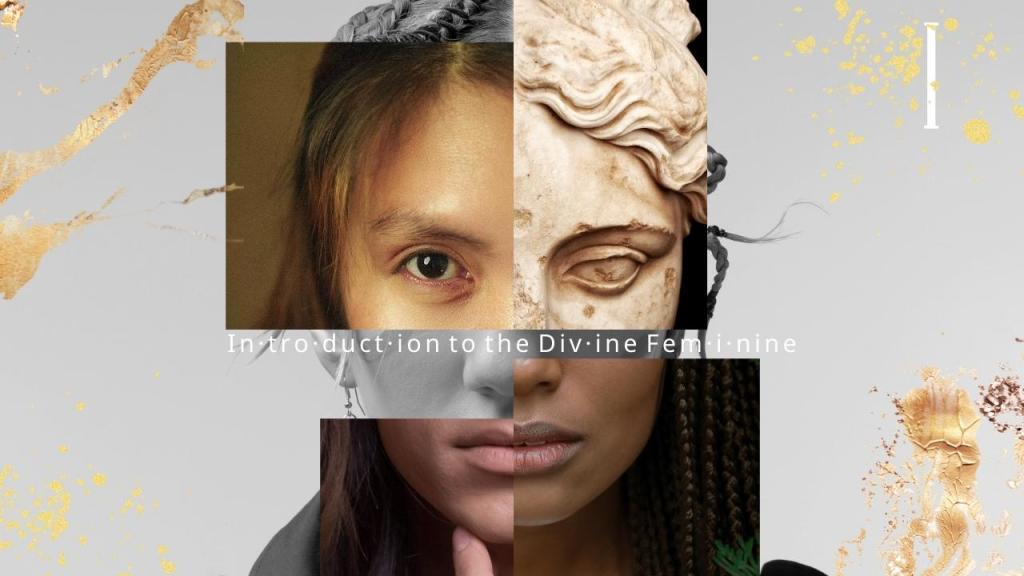
If you’ve ever found yourself scrolling through the enchanting realm of WitchTok, you’re likely to have encountered discussions about the “divine feminine.” With over 2.7 billion views under the hashtag #divinefeminine, these videos often feature images of resplendent goddesses and influencers emphasising the importance of embracing what are often referred to as ‘feminine traits,’ promising to bring career success, fulfilling relationships, and the dream lifestyle.
However, beneath its virtual allure, the concept of the divine feminine carries profound spiritual energy, held as sacred and believed to reside within every individual, regardless of gender. It’s important to note that as this topic is explored on social media, there’s a risk of leaning into ‘gender essentialism’, a pitfall this series will make every effort to avoid.
Embracing the divine feminine beckons us to uncover strength within our innate tenderness, inviting us to challenge and redefine societal norms surrounding empowerment. From ancient civilisations to modern societies, the reverence for the feminine aspect of spirituality has left an indelible mark across diverse cultures and belief systems. In this introductory blog post, we embark on a journey to unravel the essence of the divine feminine, explore its historical significance, and understand its relevance in our contemporary lives.
The Multifaceted Expression
The divine feminine, often symbolised through goddesses and archetypal figures, encompasses a multifaceted spectrum of qualities that transcend gender boundaries. It encapsulates traits such as nurturing, intuition, creativity, compassion, and a profound connection to the natural world.
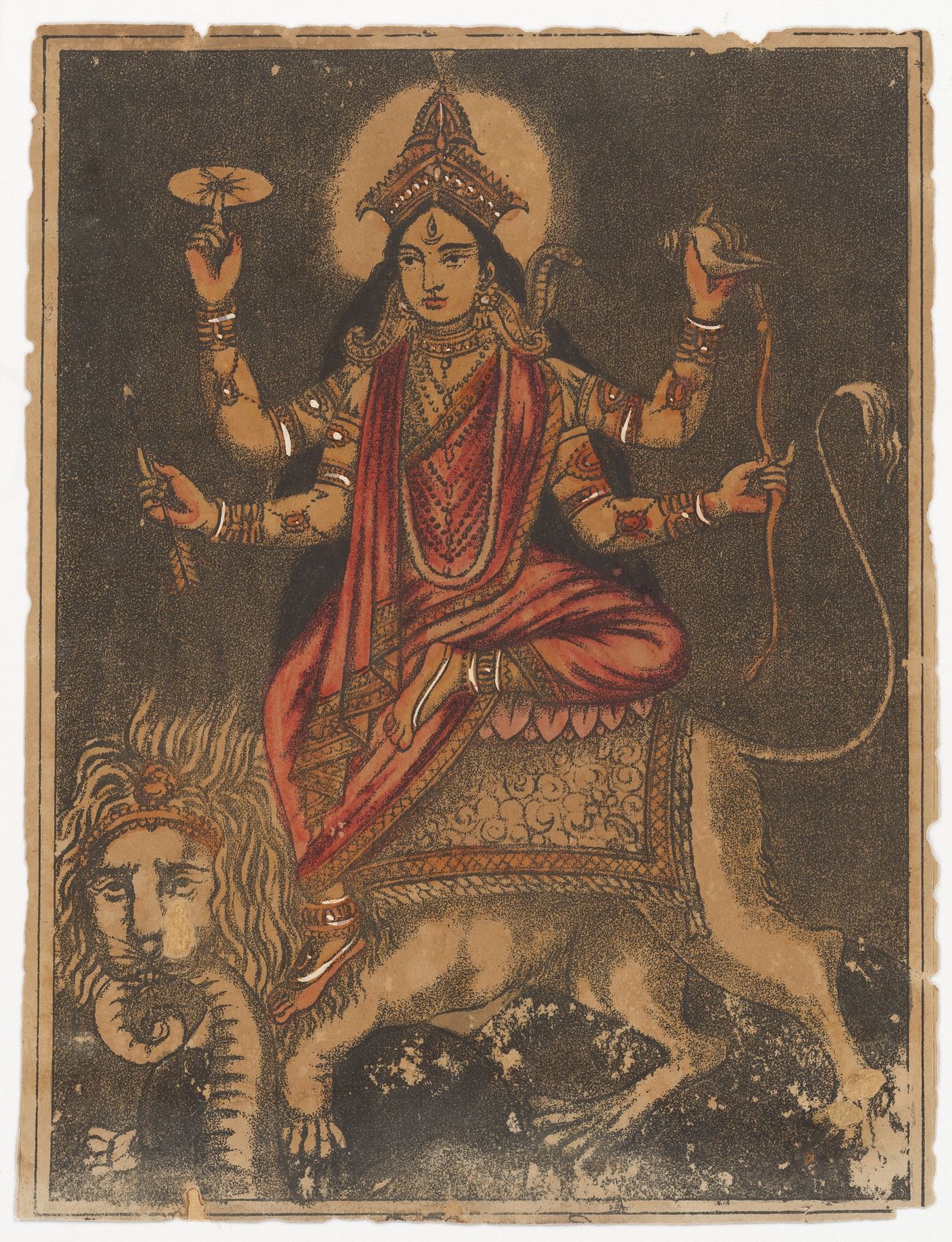
This expansive array of attributes resonates deeply with the foundational aspects of human existence, extending beyond linguistic and cultural barriers. From the ancient Celtic goddess Ceridwen to the Hindu deity Durga, the divine feminine assumes distinct forms while embodying a shared collective essence.
A Cultural Kaleidoscope
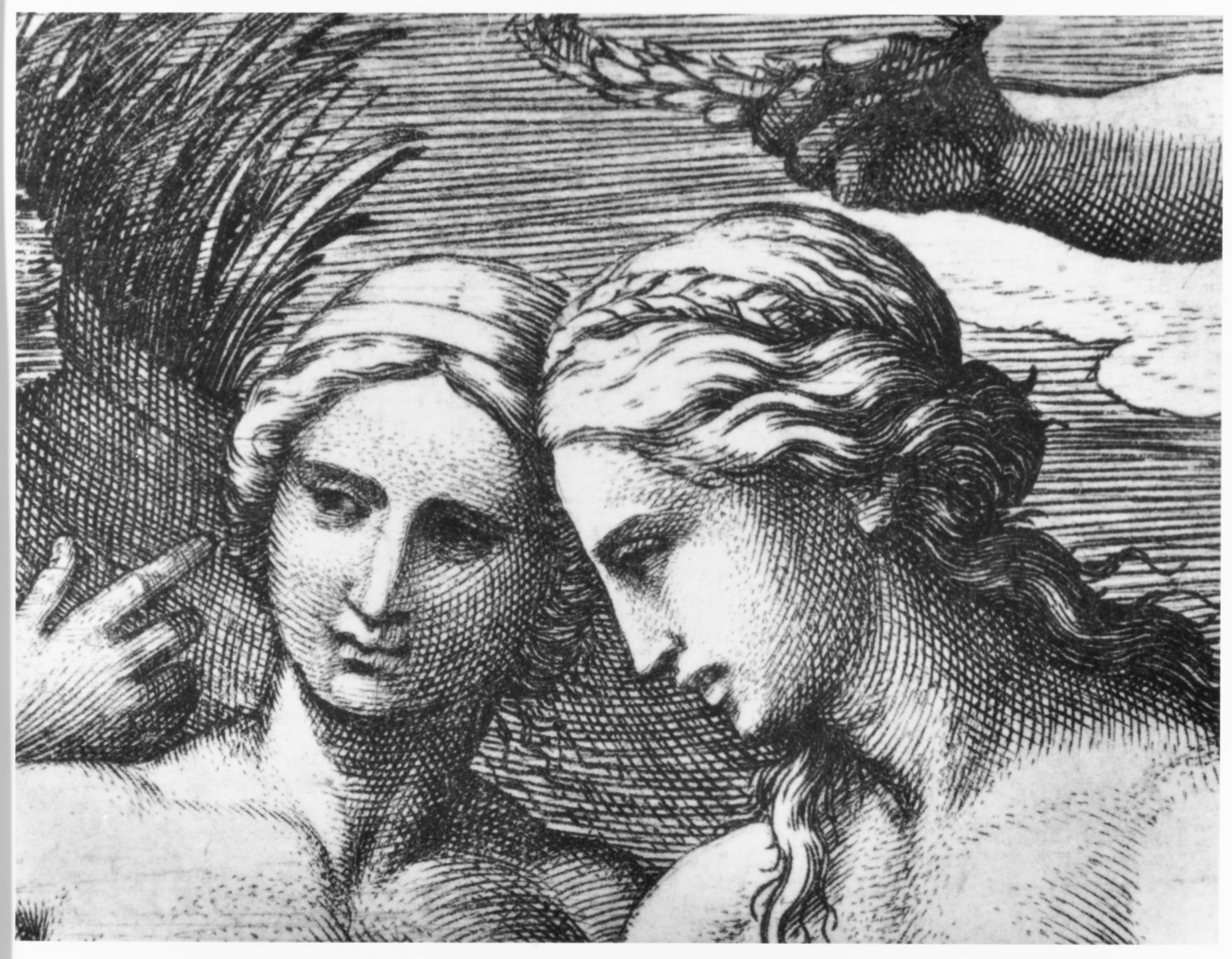
Every culture has given rise to its own representations of the divine feminine. In Greek mythology, Athena was revered as the goddess of wisdom and warfare, embodying strength and intellect.
What these deities and other beings share is a profound influence on human lives, both past and present. They are central to how many cultures explain the world and their rich, often contradictory traits affect how we understand femininity today.
Feminine power the divine to the demonic – The BRITISH MUSEUM
On the other side of the world, the Aztec goddess Coatlicue represented both creation and destruction. Similarly, the Buddhist bodhisattva Kuan Yin personifies compassion and mercy. This plethora of deities showcases the universality of the divine feminine’s influence, adapting to cultural contexts while maintaining its core values.
Historical and Modern Significance
Throughout history, the divine feminine played an integral role in shaping societies. In many pre-patriarchal cultures, women held positions of power and spiritual leadership, as embodiments of the divine feminine. However, as societies evolved, this reverence was often suppressed or subsumed into patriarchal structures. In recent times, there has been a resurgence of interest in the divine feminine, driven by a desire for balance, equality, and a reconnection to nature. This resurgence signifies a recognition of the complementary aspects of the divine masculine and feminine within both individuals and society.
Relevance in the Contemporary World
In an era marked by environmental crises, social inequalities, and a longing for deeper meaning, the divine feminine has re-emerged as a source of guidance. Its qualities of nurturing, collaboration, and empathy resonate strongly with the need to heal both the planet and our communities. As more people seek to harmonise their lives with the rhythms of nature and honor the interconnectedness of all beings, the divine feminine offers a compass for this transformational journey. In this series, I hope to be able to document my own journey with the divine feminine.
Conclusion
As we set forth on this exploration of the divine feminine, I invite you to embrace its timeless wisdom with an open heart and mind. Over the course of this blog series, we will delve deeper into the goddesses, myths, practices, and real-world applications that embody the divine feminine spirit. Together, we will celebrate its diversity, recognise its historical significance, and understand its potential to inspire positive change in our lives and the world around us.
This journey of discovery is underway, so stay tuned for our next installment where we will immerse ourselves in the narratives of goddesses from diverse cultures. We will uncover the unique attributes they bring to the ever-evolving tapestry of the divine feminine.
Resources
Books
A little bit of Goddess: an introduction to the divine feminine – Amy Leigh Mercree
Articles
A pagan perspective on Feminine power: the divine to the demonic
What is the Divine Feminine? – Emily Torres
Rebirth of the Goddess: Finding Meaning in Feminist Spirituality – Carol P. Christ
The Spiral Dance: A Rebirth of the Ancient Religion of the Great Goddess” – Starhawk

 Legally Zen